Troubleshooting & Pond Care
How to Clean a Pond Pump Safely
Most lost flow comes back with a ten-minute clean. Follow these steps to clean the intake, impeller and housing without damaging the pump.
This guide contains affiliate links. As an Amazon Associate I earn from qualifying purchases. How this works.
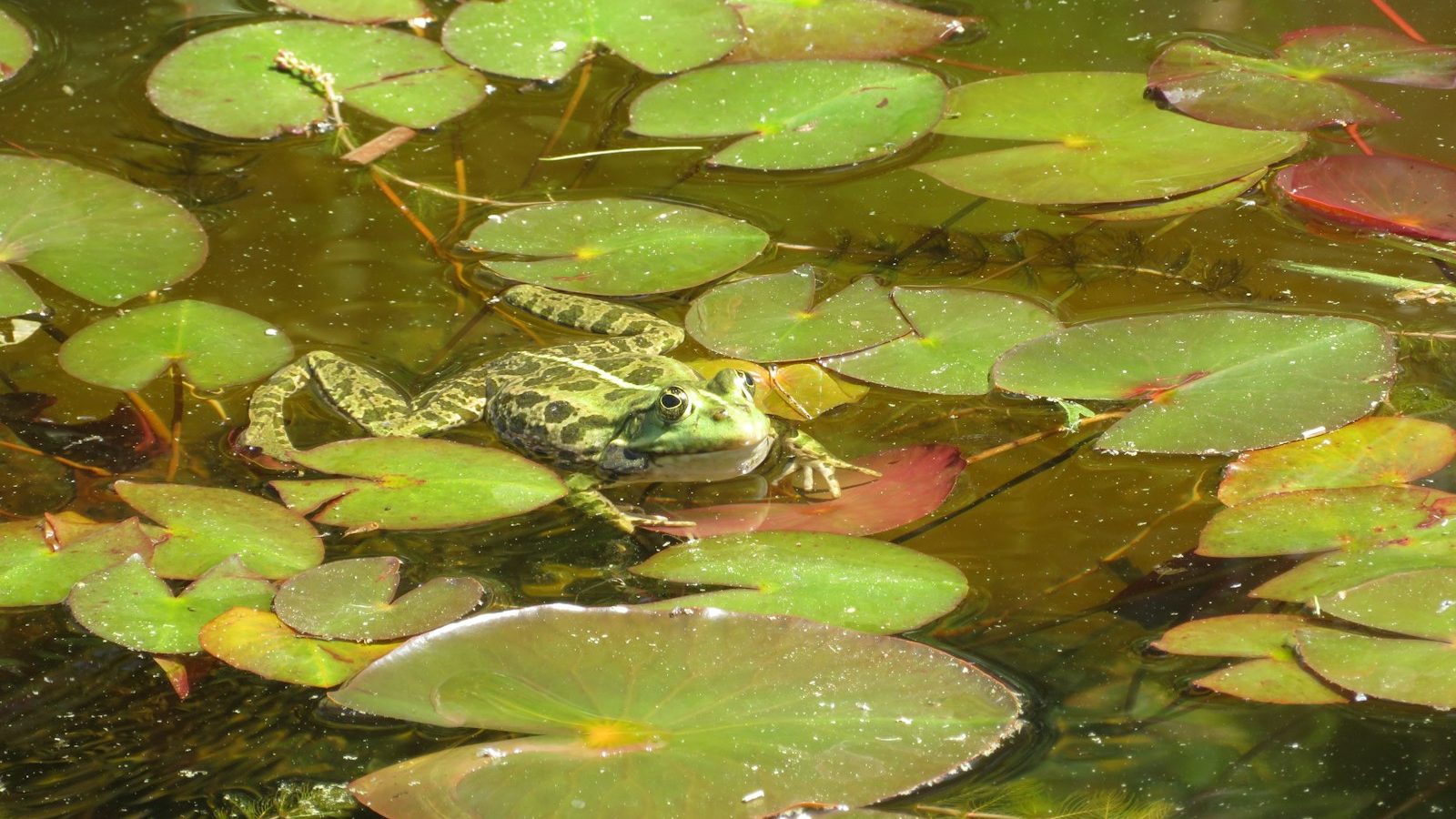
Unplug the pump, lift it out by its handle, rinse the pre-filter, open the impeller cover, remove and clean the impeller and its chamber with a soft brush and clean water, reassemble, submerge and restart. For most pumps this takes about ten minutes.
Disconnect the pump and every other electrical item in the pond from the mains before you put your hands in the water. Lift the pump by its handle or body, never by the cable. Read the manual for your model: it shows which parts are meant to be removed, and opening anything else may let water into the motor and will usually void the warranty.
How often should you clean a pond pump?
There is no universal schedule, because it depends on the pump design, the fish load and how much debris reaches the pump. A sensible approach:
- Clean when the flow drops. A weaker waterfall or fountain is the clearest sign.
- Check the pre-filter more often in spring and autumn, when algae and leaves are at their worst.
- Do a full clean at least at the start and end of the season, or as often as your manual recommends.
Pumps with a fine intake cage need attention more frequently than solids-handling pumps that pass debris to a filter.
What you need
- A bucket of pond water or clean tap water for rinsing
- A soft brush or old toothbrush
- A cloth
- The pump manual, for the disassembly diagram
- White vinegar, only if there is limescale to remove and the manual permits it
Step-by-step cleaning
- Switch off and unplug. Disconnect the pump, and any UV clarifier, lights or other equipment in the water.
- Lift the pump out. Use the handle. Disconnect the hose if it makes the pump easier to handle.
- Clean the pre-filter or cage. Remove the foam, cage or strainer and rinse it until the water runs clear. Squeeze foam out; do not wring or tear it.
- Open the impeller cover. This is usually a twist-off or clip-on cover, or a few screws at the front of the pump. Follow the manual.
- Remove the impeller. It normally pulls straight out against the magnet. Note which way round it sits and keep any small bearings or washers safe.
- Clean the impeller and chamber. Brush away slime, grit and algae from the impeller, the shaft and the inside of the chamber. Check the impeller vanes and shaft for chips, cracks or wear.
- Check the seals. Look at the O-ring on the cover. If it is flattened, cracked or missing, replace it.
- Reassemble. Refit the impeller the right way round, make sure it spins freely, and close the cover properly.
- Flush the hose. While the pump is out, run water through the hose or check it for kinks and build-up.
- Return, submerge and restart. Place the pump back on its base, let it fill with water, tilt it to release trapped air, then reconnect the power. Confirm the flow has returned.
Dealing with limescale
In hard-water areas a white, chalky deposit can build up on the impeller and inside the chamber, eventually making the pump stiff or noisy. Several pump manufacturers recommend soaking the affected parts in a solution of white vinegar and water to dissolve it, then rinsing thoroughly before the pump goes back in the pond. Check your manual first, and never run a pump filled with any cleaning solution in a pond containing fish or plants.
What not to do
- Do not use soap, detergent or household cleaners. Residues can harm fish, plants and beneficial bacteria.
- Do not use metal tools or abrasive pads on the impeller or chamber. Scratches cause wear.
- Do not open the sealed motor housing. Only the parts shown as removable in the manual are meant to come apart.
- Do not run the pump dry to “test” it. Most submersible pumps must be under water to run.
- Do not rinse biological filter media in tap water at the same time. Chlorinated tap water can harm the bacteria in the filter. Rinse filter media in a bucket of pond water instead.
Cleaning an external pump
External pumps are simpler to maintain. Switch off and unplug the pump, close the isolation valves either side of it, open the strainer pot, empty and rinse the basket, check the lid seal, refill the pot with water if the pump needs priming, close the lid, open the valves and restart. Anything beyond the strainer basket should follow the manufacturer’s service instructions.
If cleaning does not restore the flow
Look beyond the pump: a clogged filter, a blocked UV clarifier, a kinked hose or a low water level all reduce flow. Our troubleshooting guide works through each symptom. If the impeller is worn, most manufacturers sell replacements, which is far cheaper than a new pump.
Frequently asked questions
Can I clean a pond pump with vinegar?
Many manufacturers suggest white vinegar and water for removing limescale from the impeller and chamber. Rinse the parts well afterwards and follow your own pump’s manual.
Do I need to turn off the pump to clean the filter?
Yes. Switch off and unplug the pump before opening or cleaning the filter, both for electrical safety and to stop dirt being pumped back into the pond.
Why is my pump noisy after cleaning?
Usually trapped air or an impeller that has not been seated correctly. Unplug the pump, check the impeller is the right way round and spins freely, then tilt the submerged pump to release air.
Related guides
Pond Pump Troubleshooting: Find the Fault by Symptom
Pump stopped, flow dropped, or a new noise? Work through the likely causes in order, starting with the safe checks, and know when to stop.

Should a Pond Pump Run All the Time, Including in Winter?
Ponds with fish and a biological filter need the pump running day and night. Fountains and plant-only ponds have more freedom. Winter needs a plan.

What Size Pond Pump Do I Need? A Step-by-Step Guide
Work out your pond volume, pick a sensible turnover rate, add up the head height, then read a pump curve. Here is the full method with a worked example.