Pump Sizing & Running Costs
What Size Pond Pump Do I Need? A Step-by-Step Guide
Work out your pond volume, pick a sensible turnover rate, add up the head height, then read a pump curve. Here is the full method with a worked example.
This guide contains affiliate links. As an Amazon Associate I earn from qualifying purchases. How this works.
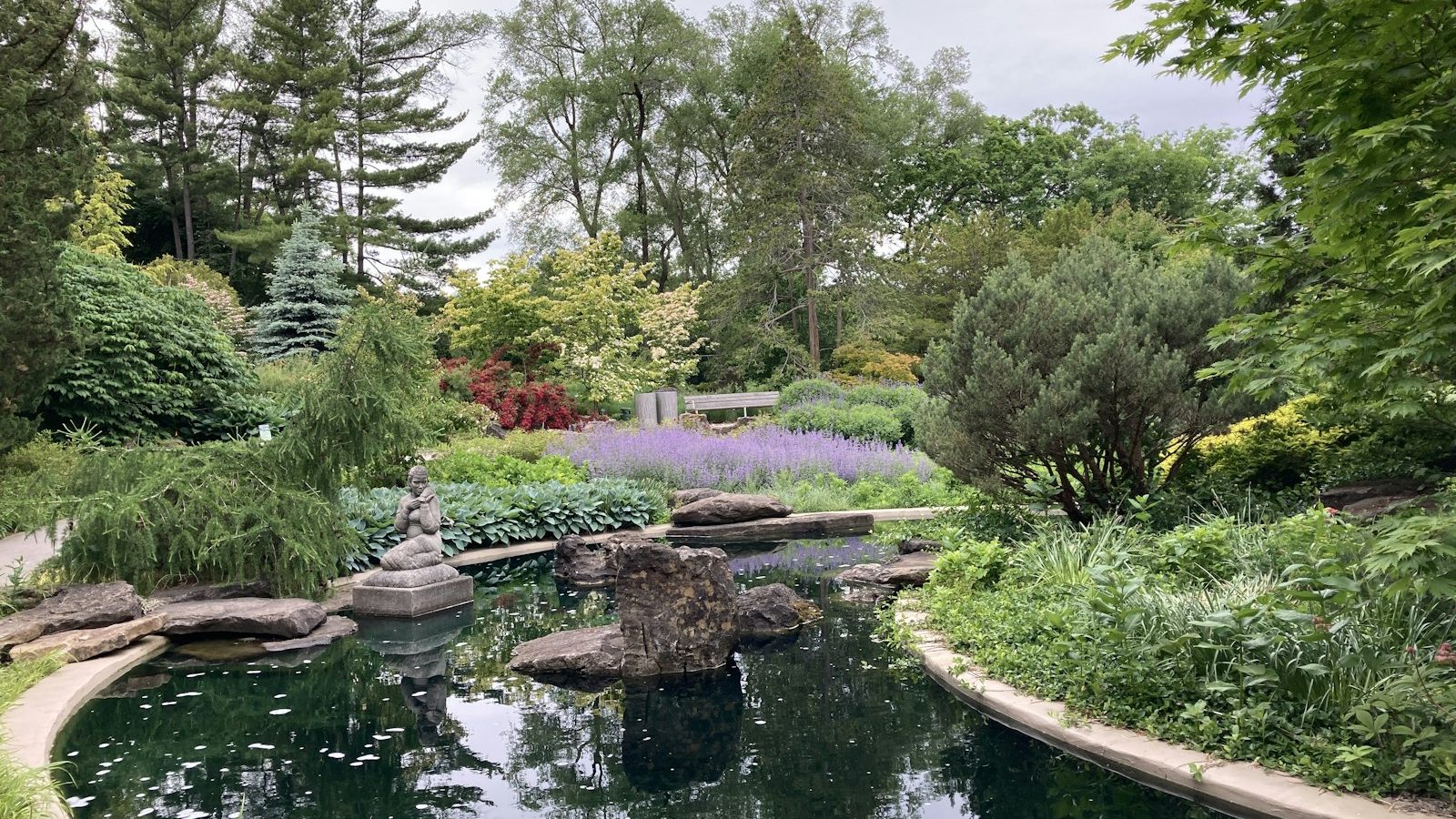
For most garden ponds, choose a pump that moves the full pond volume about once an hour at your actual head height. A 1,000-gallon goldfish pond therefore needs roughly 1,000 gallons per hour (GPH) arriving at the filter or waterfall, which usually means a pump with a noticeably higher number on the box.
Pump sizing goes wrong for one reason more than any other: people compare the flow printed on the box with the size of their pond and stop there. That figure is the pump’s maximum, measured with no lift and no pipework. This guide shows the four steps that get you from pond dimensions to a pump you can buy with confidence. If you would rather skip the arithmetic, the pond pump size calculator does all four steps for you.
- Size the pump from pond volume, a turnover target and total head, in that order.
- Turnover targets are rules of thumb. Fish load matters more than pond size.
- Never compare pumps on maximum flow alone. Compare them at your head height.
- A filter or UV clarifier sets an upper limit on flow as well as a lower one.
Step 1: Work out your pond volume
Measure the length, width and average depth of the water, not the maximum depth. Planting shelves and sloping sides make the average shallower than you expect.
| Pond shape | Volume in US gallons (measurements in feet) |
|---|---|
| Rectangle or square | Length × width × average depth × 7.48 |
| Circle | 3.14 × radius × radius × average depth × 7.48 |
| Oval | 0.785 × length × width × average depth × 7.48 |
| Irregular or freeform | Length × width × average depth × 7.48, then take roughly 70% of the result |
Working in metres, multiply length × width × average depth and then by 1,000 to get litres. One US gallon is 3.785 litres, and one UK gallon is 4.546 litres, so check which gallon a product listing is using.
The freeform figure is an estimate. A naturally shaped pond usually fills somewhere between 60% and 80% of the rectangle drawn around it. If you need precision, for example to dose a treatment, the most reliable method is to time how long a hose takes to fill a bucket of known size and then time how long it takes to fill the pond.
Step 2: Choose a turnover target
Turnover is how often the whole volume passes through the pump. The more waste the pond has to process, the faster the turnover it needs.
| Type of pond | Common starting point | Why |
|---|---|---|
| Plants only, no fish | Half to once the volume per hour | Little waste; the aim is gentle circulation |
| Goldfish or mixed fish | Once to one and a half times per hour | The filter needs a steady supply of waste and oxygen |
| Koi | Once to twice per hour | Large fish, heavy feeding and high waste |
These are widely used rules of thumb rather than fixed standards, and manufacturers and pond builders do not all agree. Very large ponds are often designed around a slower turnover with added aeration. Where your filter manual gives a specific recommended flow, follow it.
Step 3: Add up the head height
Head is the total resistance the pump works against, expressed as a height of water. It has two parts:
- Static head: the vertical distance from the pond surface to the point where the water leaves the pipe, such as the top of a waterfall or the inlet of a raised filter.
- Friction head: the resistance of the pipe, elbows, valves, filter and UV clarifier.
A common planning allowance is one foot of head for every ten feet of hose, plus extra for each tight elbow, but friction depends heavily on pipe diameter and flow. Our guide to head height explains this properly, and the head height calculator estimates it for your pipework.
Step 4: Read the pump curve
Every reputable pump comes with a performance curve or table showing the flow it delivers at different heads. Find your total head on the chart and read off the flow. That is the number to compare with your target, not the headline figure.
If a listing gives only a maximum flow and a maximum head, with no curve or table, you cannot tell what the pump will do at your head height. Look for the manufacturer’s documentation, or choose a pump that publishes it.
A worked example
- Volume. A rectangular goldfish pond measures 10 ft by 6 ft with an average depth of 2 ft. 10 × 6 × 2 × 7.48 = about 900 US gallons.
- Turnover. For goldfish, aim for 900 to 1,350 GPH arriving at the filter.
- Head. The filter outlet feeds a small waterfall 3 ft above the pond through 15 ft of 1.5 inch hose with two elbows. Lift is 3 ft, and pipe and elbows add roughly 1 ft at this flow. Allow a little more for the filter itself: call it 5 ft in total.
- Pump curve. Shortlist pumps whose curves show between about 900 and 1,350 GPH at 5 ft of head. Depending on the pump design, that might be a model sold as anything from 1,200 to 2,000 GPH.
- Check the filter. Confirm that the flow at 5 ft does not exceed the filter’s maximum rating.
When bigger is not better
It is tempting to buy a size up “to be safe”. A modestly larger pump with a flow control valve is a reasonable choice, because you can turn it down. A much larger pump is not: it uses more electricity every hour of the year, can push water through the filter too quickly to be cleaned, reduces the effectiveness of a UV clarifier, and may create currents that small fish and plants do not enjoy. See how to match a pump to a filter for the upper limits to respect.
Frequently asked questions
How many GPH do I need for a 500-gallon pond?
For a 500-gallon pond with goldfish, aim for about 500 to 750 GPH delivered at your head height. With no fish, 250 to 500 GPH is usually enough. With a waterfall, size for the waterfall as well, because it may need more than the pond does.
Can a pond pump be too strong?
Yes. Too much flow can exceed the filter’s rating, reduce UV clarifier performance, erode planted areas and cost more to run. Choose a pump you can throttle with a valve rather than one that is grossly oversized.
Do I size the pump for the pond or the waterfall?
Work out both and use the larger figure, then check it against the filter’s maximum. Our waterfall pump guide covers the waterfall side.
Related guides
Pond Pump Head Height Explained: Why Lift Cuts Your Flow
Head height is the reason a pump rarely delivers the flow printed on its box. Learn what counts as head, how to estimate it, and how to read a pump curve.
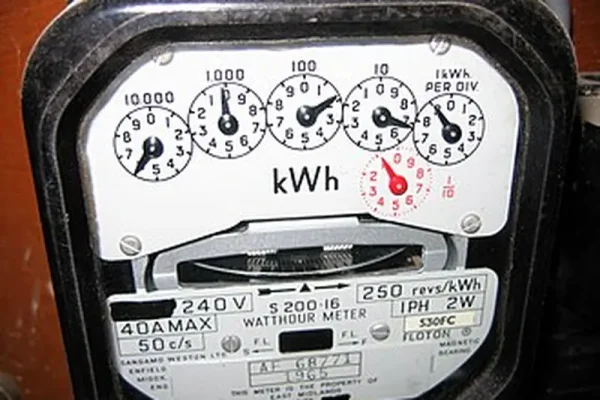
Pond Pump Running Costs: How to Calculate and Reduce Them
A pump that runs all day is one of the larger electrical loads in a garden. Calculate the yearly cost from the wattage, then cut it without harming the pond.
Submersible vs External Pond Pumps: Which Should You Choose?
Submersible pumps are simpler to install; external pumps are easier to service and often cheaper to run on big systems. Here is how to decide.