Koi Pond Pumps: What to Look For
Koi ponds ask more of a pump than any other garden pond: continuous running, heavy waste and a filter that must never go without flow.
This page contains affiliate links. As an Amazon Associate I earn from qualifying purchases. How this works.
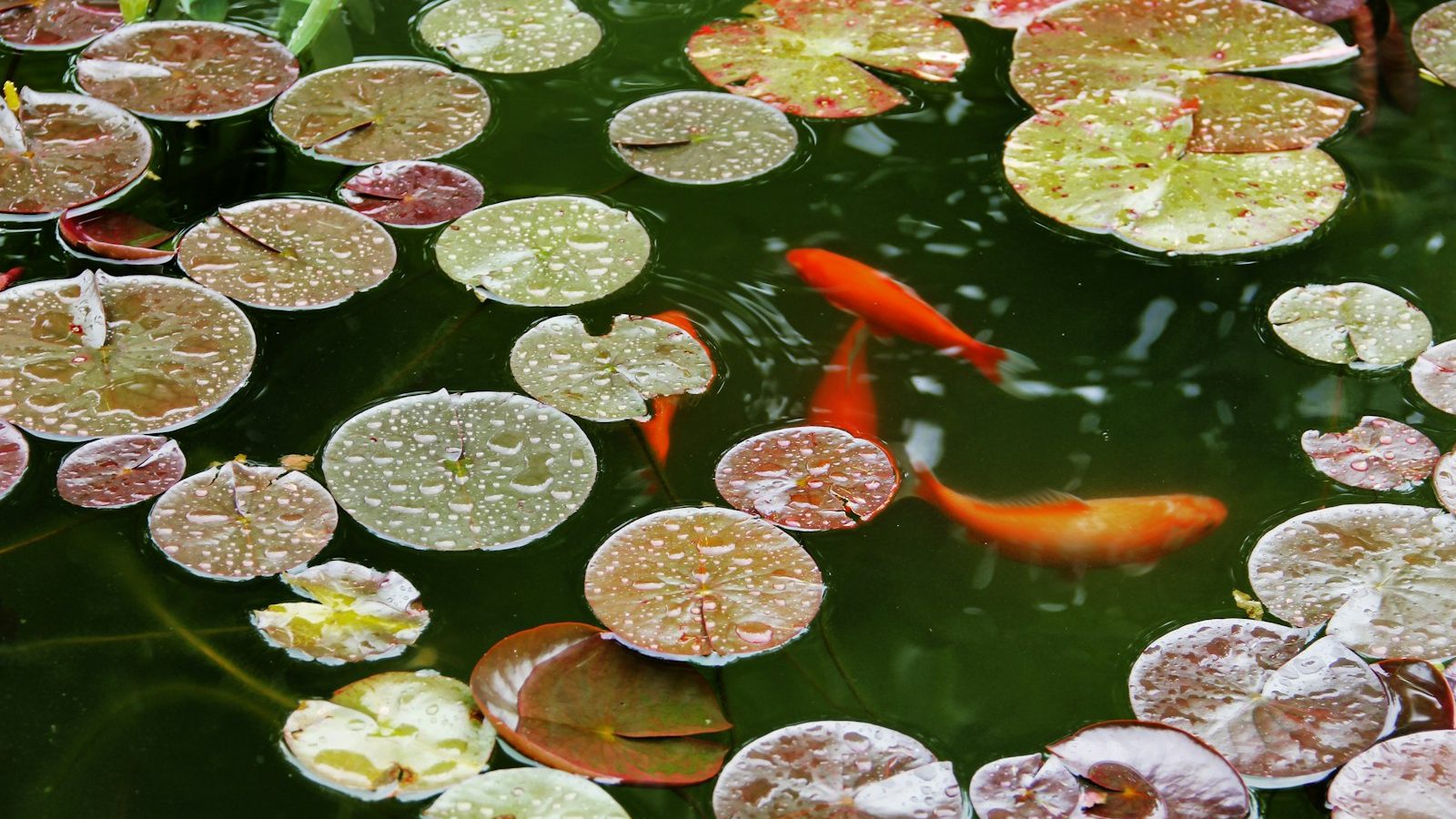
Choose a continuous-duty pump that can turn the pond volume over about once an hour through your filter at your real head height, with a solids-handling intake and a wattage you are happy to pay for all year.
Koi are large, messy fish. They produce far more waste per gallon than goldfish, and the biological filter that deals with it depends on a steady, uninterrupted supply of oxygenated water. That makes the pump the one component a koi pond cannot do without.
Because the pump runs every hour of the year, small differences in efficiency add up. It is usually worth paying more for a pump that delivers the same flow for fewer watts, as our running costs guide shows.
What to compare
- Flow at your head height, not maximum flow. Read the pump curve at the total head of your system, including the filter and UV clarifier.
- Solids handling. A pump feeding a filter should pass fish waste to the filter rather than strain it out and clog. Check the stated maximum particle size.
- Continuous-duty rating and warranty. The pump will run around 8,760 hours a year, so look for a design and a warranty intended for that.
- Watts per unit of flow. Divide the flow at your head by the wattage to compare efficiency between pumps.
- A backup plan. Many koi keepers keep a spare pump or an air pump, because a failed pump is an emergency for the fish.
Where this type works, and where it does not
A good fit when
- You need dependable, round-the-clock filter flow
- The pond holds a heavy fish load
- You want to move solids to a filter or bottom-drain system
Look elsewhere when
- The pond is a small, lightly stocked goldfish pond
- You want a decorative fountain only
- You are relying on solar power alone
Compare current options
These links open live Amazon search results rather than a fixed list, so you always see what is currently available. Check the flow at your own head height, the warranty and the cord length on the listing before you buy.
Common questions
How often should a koi pond turn over?
A common rule of thumb is the full pond volume through the filter about once an hour, and some keepers of heavily stocked ponds aim higher. Treat it as a starting point and follow your filter manufacturer’s guidance where it is more specific.
Should a koi pond pump be submersible or external?
Either can work. Submersible pumps are simpler to install. External pumps are common on larger koi ponds with bottom drains because they are easy to service and are often more efficient at high flow. See submersible vs external pumps.
Related guides and tools
- What size pond pump do I need?The step-by-step sizing method
- Match a pump to a filterStay inside the filter flow rating
- Running costs explainedWork out what a pump costs per year
- Pump size calculatorVolume, target flow and head in one pass
Pond equipment runs on mains power next to water. Use outdoor-rated equipment on a GFCI (RCD) protected supply, follow the manufacturer’s manual and your local electrical code, and use a qualified electrician for any fixed wiring.