External Pond Pumps: What to Look For
External pumps sit in the dry beside the pond. They take more planning to install and reward it with easy servicing.
This page contains affiliate links. As an Amazon Associate I earn from qualifying purchases. How this works.
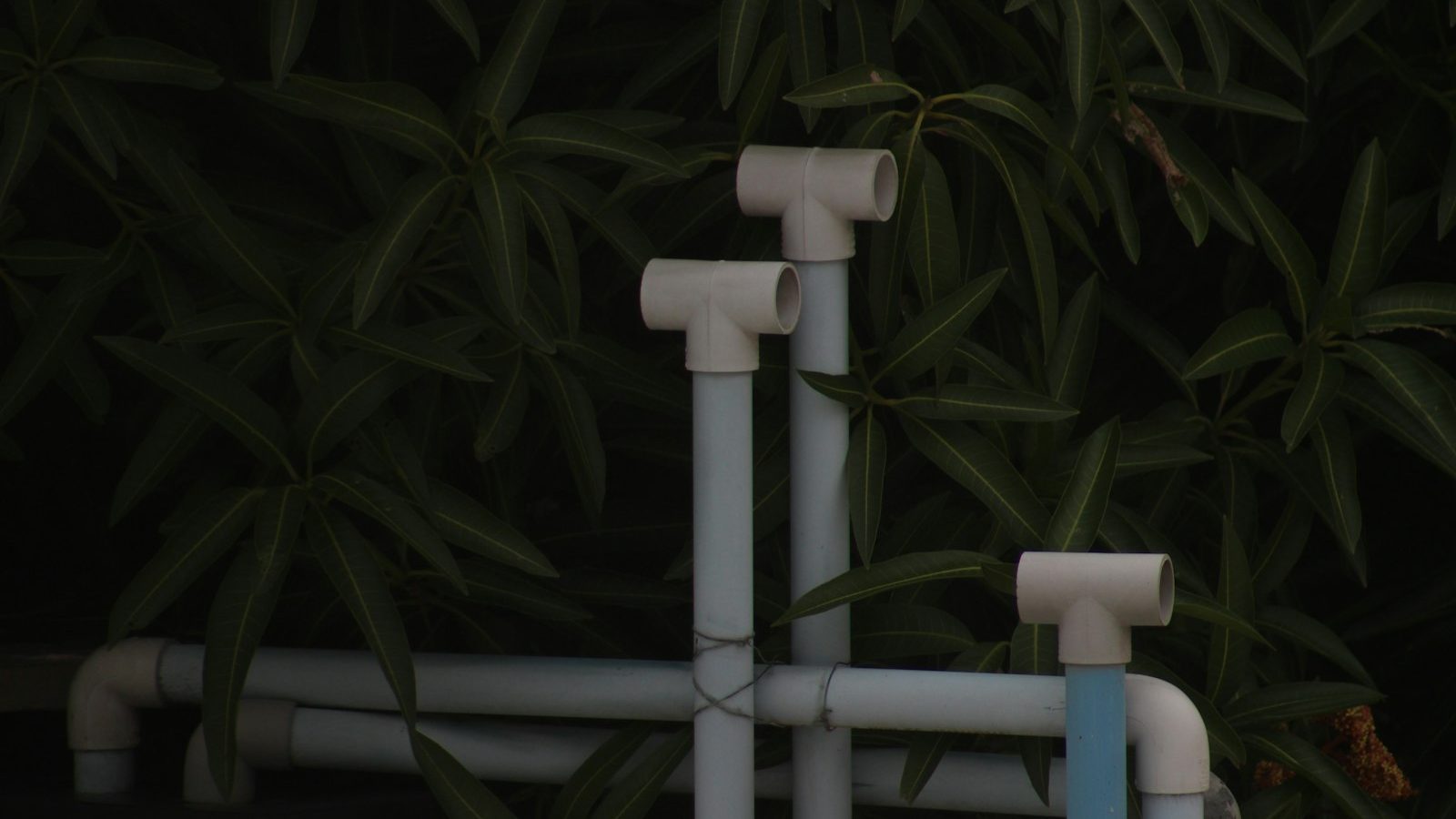
An external pump makes sense on larger ponds and koi systems where the pump runs constantly at high flow. Plan for a dry, ventilated position below or near water level, rigid pipework, and isolation valves for servicing.
An external (out-of-pond) pump is plumbed into the system rather than dropped into the water. Because it is on dry land you can inspect and service it without disturbing the pond, and on big systems the running costs are often lower for the flow delivered.
The extra planning is in the plumbing. Many external pumps must be installed with a flooded suction, meaning below water level so that water flows to them by gravity, while self-priming models can sit a little higher. Check which type you are looking at.
What to compare
- Self-priming or flooded suction. This decides where the pump can physically be installed.
- The pump curve at your system head. External pumps are sold in versions tuned for high flow at low head or lower flow at high head.
- Inlet and outlet size. Suction pipe should be at least as large as the pump inlet to avoid starving the pump.
- Noise and housing. The motor is air-cooled and audible. It needs weather protection with ventilation.
- Strainer basket. A leaf basket ahead of the pump protects the impeller and is quick to empty.
Where this type works, and where it does not
A good fit when
- Large ponds and koi systems with bottom drains
- High flow running all year
- You want to service the pump without getting wet
Look elsewhere when
- Small ponds with simple hose connections
- There is no dry, ventilated place to put the pump
- You want the quietest possible setup beside a seating area
Compare current options
These links open live Amazon search results rather than a fixed list, so you always see what is currently available. Check the flow at your own head height, the warranty and the cord length on the listing before you buy.
Common questions
Do external pond pumps need priming?
Some do. A pump described as self-priming can draw water up a short suction lift once its strainer pot is filled. Others must be installed below the water level so they stay flooded. Running either type dry can damage the seal.
Are external pumps more efficient?
Often, at the high flows used on large ponds, but not always. Compare the wattage of each pump at the flow and head you actually need rather than assuming.
Related guides and tools
- Submersible vs external pumpsWhich layout suits your pond
- Running costs explainedWork out what a pump costs per year
- Head height explainedWhy lift and pipework cut your flow
- Match a pump to a filterStay inside the filter flow rating
Pond equipment runs on mains power next to water. Use outdoor-rated equipment on a GFCI (RCD) protected supply, follow the manufacturer’s manual and your local electrical code, and use a qualified electrician for any fixed wiring.