Pump Sizing & Running Costs
Pond Pump Running Costs: How to Calculate and Reduce Them
A pump that runs all day is one of the larger electrical loads in a garden. Calculate the yearly cost from the wattage, then cut it without harming the pond.
This guide contains affiliate links. As an Amazon Associate I earn from qualifying purchases. How this works.
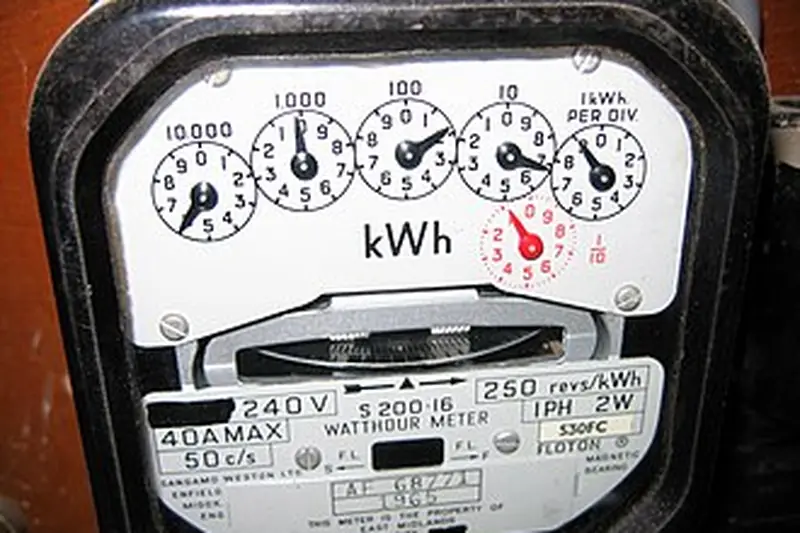
Yearly cost = pump watts × hours run per year ÷ 1,000 × your price per kWh. A 100-watt pump running day and night uses 876 kWh a year, which is about $149 at 17 cents per kWh. Use the rate on your own bill.
A pond pump on a fish pond runs around 8,760 hours a year. Over a pump’s life, the electricity often costs more than the pump did, which makes wattage one of the most important numbers on the specification sheet. The energy cost calculator will run the sum for you; this guide explains it and shows where the savings are.
The formula
- Find the wattage. It is on the pump’s rating label and specification sheet. Use the pump’s actual power consumption, not the horsepower.
- Multiply by hours of use. Continuous running is 24 hours a day, 8,760 hours a year.
- Divide by 1,000 to convert watt-hours to kilowatt-hours (kWh), the unit on your bill.
- Multiply by your electricity rate in dollars per kWh.
What different pumps cost to run
The table assumes continuous running and an illustrative rate of 17 cents per kWh. Electricity prices vary widely by region and change over time, so substitute your own.
| Pump power | Energy per year | Cost per year at $0.17/kWh | Cost per month |
|---|---|---|---|
| 60 W | 526 kWh | about $89 | about $7 |
| 100 W | 876 kWh | about $149 | about $12 |
| 150 W | 1,314 kWh | about $223 | about $19 |
| 250 W | 2,190 kWh | about $372 | about $31 |
| 500 W | 4,380 kWh | about $745 | about $62 |
To adjust for your own rate, divide your rate by 0.17 and multiply. At 25 cents per kWh, for example, every figure in the cost columns is about 47% higher.
Compare pumps by efficiency, not just price
Two pumps that deliver the same flow at your head height can differ considerably in power consumption. To compare them fairly:
- Find the flow each pump delivers at your head height from its curve.
- Divide that flow by the pump’s wattage to get gallons per hour per watt.
- The higher figure is the more efficient pump for your installation.
Then weigh the difference in running cost against the difference in purchase price. If one pump costs $60 more but uses 50 watts less, it saves about $74 a year at 17 cents per kWh when run continuously, and pays for itself in under a year.
Rated wattage is normally the maximum. The power a pump actually draws changes with where it is working on its curve, so treat any calculation as an estimate. A plug-in electricity monitor will show the real consumption of your own installation.
Seven ways to reduce running costs
- Size the pump correctly. An oversized pump throttled back with a valve wastes energy every hour. See what size pond pump you need.
- Use wider pipe. Less friction means a smaller pump can deliver the same flow. The table in our head height guide shows how large the effect is.
- Reduce the lift. Lowering a waterfall outlet or filter by a foot reduces the work the pump does all year.
- Keep the pump and filter clean. A clogged intake makes the pump work against extra resistance and delivers less water for the same power.
- Consider a variable-speed pump. Being able to turn the flow down electronically, rather than with a valve, saves power when full flow is not needed.
- Put decorative features on a timer. A fountain or a second waterfall pump that is not needed for filtration can be switched off overnight. Do not do this with the pump feeding a biological filter. See should a pond pump run all the time.
- Use aeration where it suits. An air pump adds oxygen and water movement for a fraction of the power of a large water pump, and can supplement a smaller circulation pump.
Is a solar pump the answer?
For a small fountain in a sunny spot, yes: it costs nothing to run. For filtering a fish pond, no, because the pump stops when the light fades and the filter needs flow around the clock. Our guide to solar pond pumps covers this in detail.
Frequently asked questions
How much electricity does a pond pump use per day?
Multiply the wattage by 24 and divide by 1,000. A 100-watt pump uses 2.4 kWh a day; a 250-watt pump uses 6 kWh.
Is it cheaper to turn a pond pump off at night?
It uses less electricity, but on a pond with fish and a biological filter it is a false economy. The filter bacteria and the fish both depend on continuous flow, and stopping it nightly risks water quality problems.
Do bigger pumps always cost more to run?
Generally, but efficiency varies between designs. A well-chosen larger pump can use less power than a poorly chosen smaller one working near its maximum head. Always compare wattage at the flow and head you need.
Related guides

What Size Pond Pump Do I Need? A Step-by-Step Guide
Work out your pond volume, pick a sensible turnover rate, add up the head height, then read a pump curve. Here is the full method with a worked example.

Pond Pump Head Height Explained: Why Lift Cuts Your Flow
Head height is the reason a pump rarely delivers the flow printed on its box. Learn what counts as head, how to estimate it, and how to read a pump curve.
Submersible vs External Pond Pumps: Which Should You Choose?
Submersible pumps are simpler to install; external pumps are easier to service and often cheaper to run on big systems. Here is how to decide.