Troubleshooting & Pond Care
Should a Pond Pump Run All the Time, Including in Winter?
Ponds with fish and a biological filter need the pump running day and night. Fountains and plant-only ponds have more freedom. Winter needs a plan.
This guide contains affiliate links. As an Amazon Associate I earn from qualifying purchases. How this works.
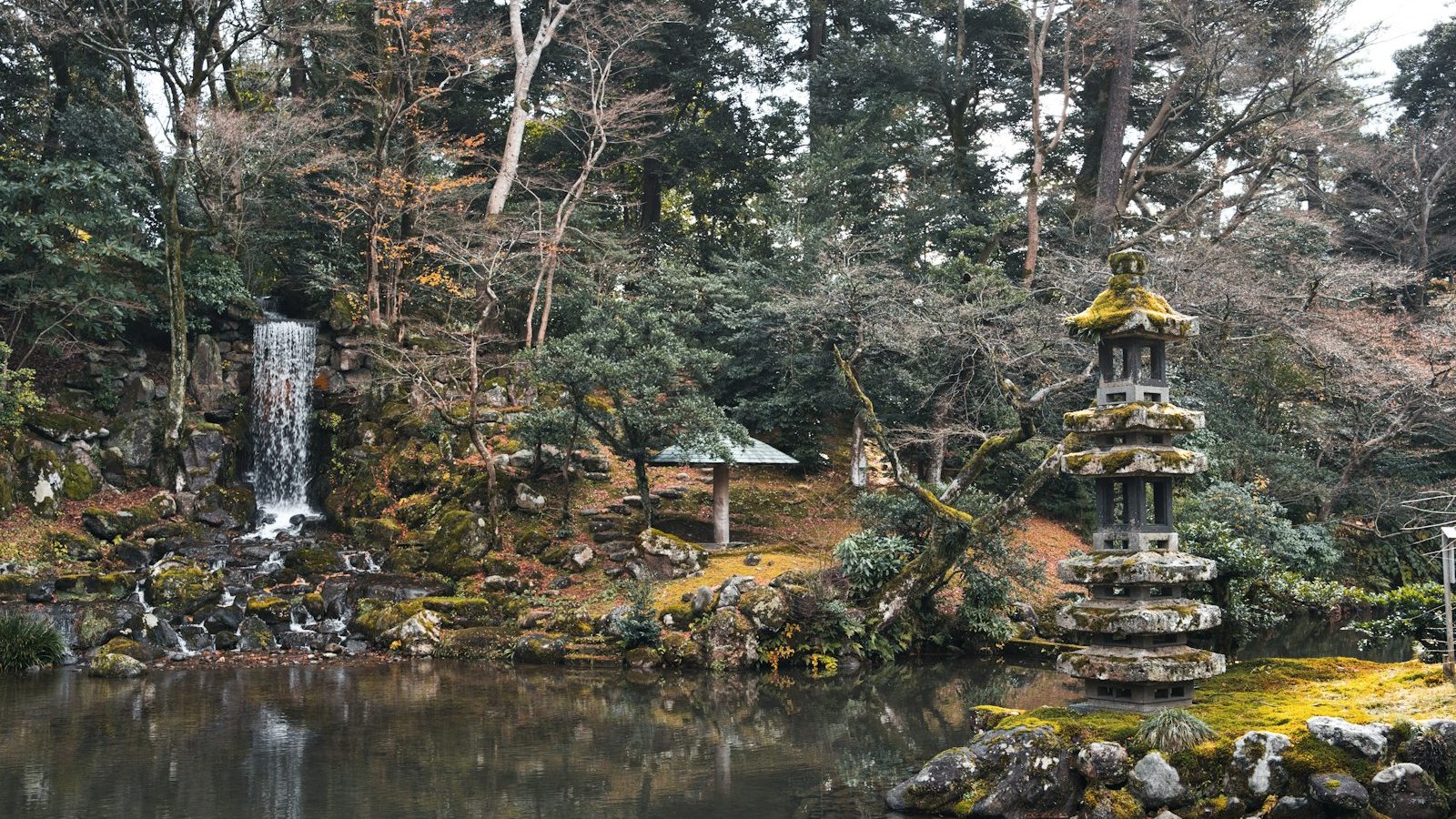
If the pond has fish and a biological filter, run the filter pump 24 hours a day through the fish-keeping season. A pump that only drives a fountain or a decorative waterfall can go on a timer. In winter the right choice depends on your climate and your pump manual: in mild areas many people keep the pump running, while in areas with hard freezes it is common to shut down waterfalls and store the pump.
Why a filter pump should not be switched off
A biological filter works because colonies of bacteria live on its media and convert the ammonia that fish produce into less harmful compounds. Those bacteria need a continuous supply of oxygen, which arrives in the water the pump delivers.
When the flow stops, the water inside the filter becomes stagnant and oxygen runs down. If the pump is off for long enough the bacterial colonies decline, and when the pump restarts it can flush poor-quality water back into the pond. The filter then takes time to recover. How long a filter can go without flow depends on temperature and conditions, so we will not quote a figure, but the practical conclusion is the same: do not switch a filter pump off overnight to save electricity.
Fish also benefit directly. Oxygen levels in a pond are naturally lowest in the early hours of the morning, when plants and algae are consuming oxygen rather than producing it. A pump or waterfall that keeps the surface moving through the night helps.
What can go on a timer
| Equipment | Run continuously? | Why |
|---|---|---|
| Pump feeding a biological filter | Yes | Filter bacteria and fish depend on it |
| UV clarifier | Yes, during the algae season | It only treats water while it is on; follow the manual on switching |
| Separate fountain pump | No | Decorative; a timer saves energy and reduces splash loss |
| Separate waterfall pump (not feeding the filter) | No | Decorative, though it does add oxygen |
| Air pump / aerator | Ideally yes in warm weather | Oxygen demand is highest in heat and at night |
| Pump in a plant-only or wildlife pond | Optional | No fish waste to process |
If you want both economy and a big display, the tidy solution is two pumps: an efficient one sized for the filter that never stops, and a second for the waterfall or fountain on a timer. Our guide to running costs shows what each would cost.
Running a pump in winter
Winter advice differs between climates and between manufacturers, so treat the points below as the questions to answer for your own pond rather than a single rule.
In mild climates with little or no ice
Many pond keepers leave the pump and filter running all year. Fish are less active and eat little in cold water, so the filter has less to do, but keeping water moving maintains the bacteria and stops the surface freezing over completely during a short cold snap.
In climates with sustained freezing
- Waterfalls and streams can become a hazard. Ice can build up and form dams that divert water out of the stream and over the edge of the liner, draining the pond while the pump keeps running.
- Exposed pipework, filters and UV clarifiers can freeze and crack if water sits in them. Many manufacturers instruct owners to drain and store pressurised filters and UV units before hard frost.
- Deep circulation can chill the pond. In winter the water at the bottom of a pond is often slightly warmer than the surface, and fish rest there. A pump on the pond floor that stirs this layer up to the surface removes that refuge. If you keep a pump running, a common recommendation is to raise it to a shallower shelf.
- Keep a hole open in the ice. A fully frozen surface traps gases from decaying matter. A small air pump with the diffuser set in shallow water, or a purpose-made pond de-icer, is the usual way to maintain an opening.
Do not break pond ice by striking it, which is widely advised against because of the shock to fish, and never stand on a frozen pond. Disconnect the power before moving equipment.
Storing a pump for winter
If you take the pump out, clean it first using our cleaning guide, then store it somewhere frost-free. Manufacturers differ on how: some instruct that the pump be kept submerged in a bucket of water so that seals do not dry out, while others specify dry storage. Your manual is the authority. Drain and store filters, UV clarifiers and hoses according to their own instructions.
Restarting in spring
- Inspect the cable, plug and housing for damage before anything goes back in the water.
- Check that the impeller turns freely.
- Reinstall the pump, filter and UV clarifier, and replace the UV lamp if it is due.
- Start the pump and check every connection for leaks.
- Remember that a biological filter that has been shut down needs time to re-establish. Feed fish sparingly at first and test the water.
Frequently asked questions
Can I turn my pond pump off at night?
Not if it feeds a filter on a pond with fish. A decorative fountain or a separate waterfall pump can be switched off overnight.
Will running the pump all the time wear it out?
Pond pumps intended for filtration are designed for continuous running. Frequent stopping and starting, running dry and clogged intakes are generally harder on a pump than steady operation.
Should I run my pond pump during rain or a storm?
Rain itself is not a reason to switch off. In severe weather, protect outdoor electrical connections, and if you have any doubt about their safety, disconnect at the house supply.
Related guides
Pond Pump Troubleshooting: Find the Fault by Symptom
Pump stopped, flow dropped, or a new noise? Work through the likely causes in order, starting with the safe checks, and know when to stop.
How to Clean a Pond Pump Safely
Most lost flow comes back with a ten-minute clean. Follow these steps to clean the intake, impeller and housing without damaging the pump.
What Size Pond Pump Do I Need? A Step-by-Step Guide
Work out your pond volume, pick a sensible turnover rate, add up the head height, then read a pump curve. Here is the full method with a worked example.