Troubleshooting & Pond Care
Pond Pump Maintenance Checklist: Weekly, Monthly and Seasonal Tasks
A simple pond pump maintenance checklist you can follow all year. Know what to check each week, month and season to keep your pump running and your water clear.
This guide contains affiliate links. As an Amazon Associate I earn from qualifying purchases. How this works.
✅ The short answer
Good pond pump maintenance takes about five minutes a week. Glance at the flow, clear the intake, and top up the water. Once a month, rinse the pre-filter and impeller. Each spring and fall, give the pump a full clean and inspect the cord.
Do those three things on schedule and most pump problems never happen. The full checklist is below, and you can track it with our free maintenance tracker.
Most pond pumps do not die of old age. They die of neglect: a clogged intake, a low water level, or a cord nobody looked at for three years. The good news is that looking after a pump is easy, and it takes very little time once you have a routine.
This pond pump maintenance checklist gives you that routine. It is split into weekly, monthly, seasonal and yearly tasks, with the reason behind each one, so you know what matters and what can wait.
One honest note: this guide is desk research based on common manufacturer instructions and widely used pond-keeping practice. Your pump’s own manual always comes first.
⚠️ Safety first: Water and electricity are a dangerous mix. Always unplug the pump before you put your hands in the pond or touch the equipment. Never lift a pump by its cord. Plug into a GFCI-protected outdoor outlet, and if the GFCI keeps tripping, stop using the equipment and have it checked. For any fixed outdoor wiring, hire a licensed electrician.
The checklist at a glance
| How often | Task | Time | Why it matters |
|---|---|---|---|
| Every week | Look at the flow from the waterfall or outlet | 10 seconds | A drop in flow is the first sign of trouble |
| Every week | Clear leaves from the intake, skimmer or cage | 2 minutes | Keeps water reaching the pump |
| Every week | Check the water level and top up | 2 minutes | A pump that sucks air overheats |
| Every month | Rinse the pre-filter sponge or cage | 5 minutes | Restores flow and cuts strain on the motor |
| Every month | Listen for new noises | 10 seconds | Rattles and hums warn of wear or blockage |
| Every month | Check hose connections and clamps | 2 minutes | Stops leaks that drain the pond |
| Spring and fall | Full clean: impeller, chamber, housing | 15 minutes | Removes slime and scale you cannot see |
| Spring and fall | Inspect the cord, plug and GFCI | 2 minutes | Safety, and catches damage early |
| Every year | Replace worn sponges, O-rings or impeller | As needed | Cheap parts that protect an expensive pump |
| Before winter | Follow the manual: run, move or store the pump | 20 minutes | Ice can crack a pump or pipe |
Want to tick these off and keep a log? Our free pond maintenance tracker saves your progress in your own browser.
Key insight: The best maintenance tool you own is your eyes. If you know what your waterfall normally looks like, you will spot a problem days before it becomes a failure.
Weekly tasks (5 minutes)
1. Watch the flow
What: look at your waterfall, fountain or return pipe. Why: flow drops slowly as the intake clogs, and a slow change is easy to miss if you do not look on purpose. How: pick a spot, such as how far the water shoots from a pipe or how much of the spillway is covered, and compare it each week.
2. Clear the intake
What: remove leaves, string algae and debris from the pump cage, skimmer basket or pre-filter. Why: a starved pump runs hot and wears faster. How: unplug the pump first. Empty the skimmer basket or brush the cage clean. In fall you may need to do this every day or two.
3. Top up the water
What: check the pond level. Why: ponds lose water to evaporation and splash, especially in hot or windy weather. If the level falls far enough, the pump draws air and can overheat. How: top up little and often. If you use tap water in a fish pond, use a dechlorinator as the product label directs.
💡 Good to know: Losing more than an inch or two a week in mild weather is not normal evaporation. Check the waterfall and stream edges for water escaping over the liner.
Monthly tasks (10 minutes)
4. Rinse the pre-filter
What: take off the foam, sponge or cage and rinse it. Why: fine dirt builds up inside foam where you cannot see it. How: unplug, lift the pump out by its handle, and squeeze the foam out in a bucket of pond water until it runs fairly clear. Do not use soap.
5. Listen
What: stand by the pump and listen for a moment. Why: pumps talk to you. A rattle usually means debris in the impeller. A loud hum with little flow means a jam or trapped air. Gurgling means it is pulling air. How: if anything sounds new, unplug it and check the impeller. Our pond pump troubleshooting guide lists each sound and its cause.
6. Check hoses and clamps
What: look along the hose for kinks, splits and loose clamps. Why: a small leak outside the pond can empty it overnight. How: tighten loose clamps, and replace any hose that has gone hard or cracked.
7. Check the filter too
What: see whether the filter needs rinsing. Why: a clogged filter pushes back on the pump just like a clogged intake. How: rinse filter media in pond water, not tap water, so you keep the helpful bacteria alive.
Spring and fall: the full clean (15 minutes)
Twice a year, take the pump apart as far as the manual allows and clean the parts you never normally see.
- Unplug the pump and anything else electrical in the pond.
- Lift it out by the handle, never by the cord.
- Remove the pre-filter and the impeller cover. Most twist or unclip. Check the manual.
- Pull the impeller out and note which way round it goes.
- Brush everything clean with a soft brush: impeller, shaft, and the chamber it sits in.
- Remove limescale if you have it. Many makers suggest soaking the parts in white vinegar and water. Rinse well afterward.
- Check for wear. Look for chipped impeller blades, a worn shaft, or a flattened O-ring.
- Put it back together, make sure the impeller spins freely, and return it to the pond.
- Let the air out. Tilt the pump under water before you plug it back in.
Our step-by-step guide to how to clean a pond pump covers this in more detail.
Inspect the electrics
- Run your eyes along the whole cord. Look for cuts, chew marks or crushed spots.
- Check the plug for corrosion or burn marks.
- Press the Test button on the GFCI outlet. The power should cut. Press Reset to restore it.
- If you find any damage, stop using the pump. Cords on sealed pumps are not a home repair.
Season-by-season guide
| Season | What to do | Watch for |
|---|---|---|
| Spring | Full clean, inspect cord, restart pump and filter, replace UV lamp if due | Leaks at connections after winter |
| Summer | Top up often, clean the intake weekly, add aeration in heat | Low water level and string algae |
| Fall | Net the pond, clean the intake every day or two, full clean before winter | Leaves blocking the pump |
| Winter | Follow the manual: keep running, raise to a shelf, or remove and store | Ice dams on waterfalls, frozen pipes |
Winter advice depends on your climate and your pump. In mild areas many people keep the pump running. In hard-freeze areas it is common to shut down waterfalls and store the pump. Some makers say to store a pump in a bucket of water so the seals stay wet, and others say to store it dry, so check your manual. See should a pond pump run all the time, including in winter.
Is it just dirty, or is something wrong?
Most of the time, a pump that is under-performing just needs a clean. But sometimes it is telling you about a real fault. Here is how to tell the difference.
| What you notice | Probably just needs cleaning if | Probably a real fault if |
|---|---|---|
| Weak flow | It faded slowly over weeks | It dropped suddenly, or cleaning does not help |
| Noise | A light rattle that stops after cleaning | Grinding that returns straight away |
| Pump stops | It restarts after you clear a blockage | It will not restart, or trips the GFCI |
| Pump feels hot | The intake was blocked or water was low | It runs hot with a clear intake and full pond |
If cleaning does not fix it, look further along the system. A clogged filter, a blocked UV clarifier, or a kinked hose all cause the same symptoms as a dirty pump. And if the pump trips the GFCI, stop using it. That is a safety fault, not a maintenance job.
Maintenance for external pumps
If your pump sits outside the pond, the routine is a little different, and usually easier.
- Empty the strainer basket weekly. Switch off, close the valves either side of the pump, open the lid, and tip out the debris.
- Check the lid seal. A dry or cracked O-ring lets air in, and the pump loses its prime. Keep it clean and replace it when it flattens.
- Refill before restarting. If your pump needs priming, fill the strainer pot with water before you close the lid.
- Keep the motor vents clear. External pumps are air-cooled. Leaves and cobwebs around the motor make it run hot.
- Listen to the bearings. A new whine or rumble from the motor is a job for a professional, not a home fix.
- Keep it dry. Check that the cover still sheds rain and that water is not pooling around the base.
What to keep in your pond maintenance kit
Having everything in one bucket by the back door means the weekly check actually happens. Here is a sensible kit.
- A bucket. For rinsing foam in pond water and carrying parts.
- A soft brush or old toothbrush. For the impeller and chamber.
- A pond net. For lifting out leaves before they sink.
- Rubber gloves. Pond sludge is not pleasant, and gloves protect small cuts.
- A screwdriver that fits your pump cover, if it has screws.
- White vinegar. For limescale, if your manual allows it.
- Spare sponge, O-ring and impeller for your pump model.
- The pump manual, or a note of where to find it online.
Handy tools for pump maintenance
You do not need much. A bucket, a soft brush and a net cover most jobs. These three extras make the work easier.

Why it works: a pump’s power draw changes when something is wrong. Note the normal number, and check it a few times a year. The problem it solves: guessing. You see your true cost and get an early warning. See pond pump running costs.
The point: sponges, O-rings and impellers are wear parts. Keeping a spare of each costs little and saves your pump from running clogged while you wait for a delivery.
7 common maintenance mistakes (and how to fix them)
- Cleaning only when the pump stops. Fix: clean when the flow drops. By the time it stops, the damage may be done.
- Using soap or household cleaners. Fix: use plain water, and vinegar only for scale if the manual allows. Soap residue harms fish.
- Lifting the pump by the cord. Fix: always use the handle. Pulling the cord can break the seal where it enters the pump.
- Forgetting to unplug first. Fix: unplug before your hands go in the water. Every time.
- Rinsing filter media in tap water. Fix: use pond water so you keep the helpful bacteria.
- Ignoring the cord. Fix: inspect it twice a year. Damaged cords are dangerous.
- Putting the impeller back the wrong way. Fix: take a phone photo before you pull it out.
Pro tips to make maintenance easy
- Tie maintenance to something you already do. Why it works: check the pump when you feed the fish, and it never gets forgotten.
- Take a “normal” photo of your waterfall. Why it works: you can compare later and see a drop in flow you would not notice day to day.
- Fit a union or quick-release on the hose. Why it works: the pump comes out in seconds, so you clean it more often.
- Raise the pump off the bottom. Why it works: a few inches of height keeps it out of the sludge and halves your cleaning.
- Keep the manual. Why it works: it has the parts diagram and part numbers. If you lost it, most makers post manuals online.
- Write the purchase date on the pump with a marker. Why it works: you will know at once whether it is still under warranty.
Remember: five minutes a week beats five hours of emergency repairs. Look, clear, top up.
Real-life examples
These are typical situations we put together to show how the checklist helps. They are illustrations, not customer reviews.
The fall leaf drop
The situation: a pond under a maple tree. Every October the waterfall slows to a dribble. What the checklist does: a net goes over the pond in late September, and the skimmer basket is emptied every other day. The pump never starves, and the flow stays strong.
The slow summer fade
The situation: the fountain gets a little lower each week through July, and nobody notices until it is half its height. What the checklist does: the weekly flow check catches it in week one. A two-minute rinse of the pre-filter brings it back.
The chewed cord
The situation: a rodent nibbles the pump cord over winter. What the checklist does: the spring inspection finds the damage before the pump is switched on. The pump is replaced, and nobody gets hurt.
Frequently asked questions
How often should I clean my pond pump?
Clear the intake weekly, rinse the pre-filter monthly, and do a full clean of the impeller each spring and fall. Clean sooner whenever the flow drops.
How do I know if my pond pump needs cleaning?
The flow gets weaker, the pump gets noisier, or it feels warmer than usual. A plug-in power meter may also show a change in watts.
Can I leave my pond pump running all the time?
If it feeds a filter on a pond with fish, yes, it should run day and night. Maintenance does not change that.
What should I do with my pond pump in winter?
It depends on your climate and pump. Follow the manual. In hard-freeze areas many owners remove the pump and store it frost-free.
How long should a pond pump last?
It varies with the design and how it is looked after, so we will not quote a number. Regular cleaning and a steady water level are the two things that help most. See ways to make your pond pump last longer.
Do I need to oil a pond pump?
No. Modern pond pumps are sealed or oil-free and are not meant to be oiled. Only do what the manual describes.
Your printable checklist
- ✅ Weekly: check the flow
- ✅ Weekly: clear the intake or skimmer basket
- ✅ Weekly: top up the water level
- ✅ Monthly: rinse the pre-filter in pond water
- ✅ Monthly: listen for new noises
- ✅ Monthly: check hoses, clamps and the filter
- ✅ Spring and fall: full clean of impeller and chamber
- ✅ Spring and fall: inspect cord and plug, test the GFCI
- ✅ Yearly: replace worn sponges, O-rings or impeller
- ✅ Before winter: follow the manual for cold-weather care
Want an early-warning tool?
A plug-in power meter shows your pump’s real running cost and flags changes before a failure.
See the Kill A Watt on Amazon →
As an Amazon Associate I earn from qualifying purchases.
How we researched this guide
This article is desk research, not a hands-on test. In October 2026 we collected the specifications shown on the Amazon.com listings for each product mentioned here and followed maintenance steps that pump makers commonly give in their manuals. Where sources gave different numbers, we showed the range or flagged it. We do not quote prices, star ratings, or stock levels because they change daily. Manufacturers also update products, so please confirm the details on the current listing and in the manual before you buy.
Related guides
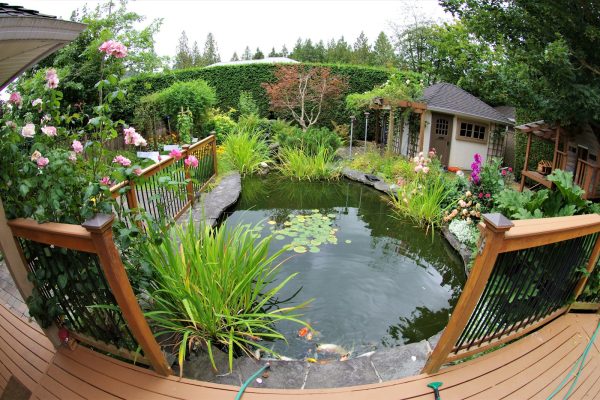
12 Ways to Make Your Pond Pump Last Longer
Most pond pumps fail early for the same few reasons. These 12 simple habits protect your pump from heat, clogs, dry running and wear, and save you money.

Pond Pump Troubleshooting: Find the Fault by Symptom
Pump stopped, flow dropped, or a new noise? Work through the likely causes in order, starting with the safe checks, and know when to stop.
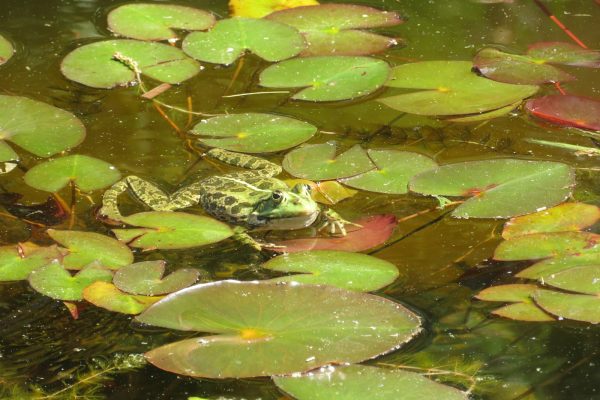
How to Clean a Pond Pump Safely
Most lost flow comes back with a ten-minute clean. Follow these steps to clean the intake, impeller and housing without damaging the pump.