Waterfalls, Fountains & Solar
Solar Pond Pumps: Benefits, Limitations and Who They Suit
Solar pumps cost nothing to run and need no outdoor socket, but their output follows the sun. Here is where they work well and where they fall short.
This guide contains affiliate links. As an Amazon Associate I earn from qualifying purchases. How this works.
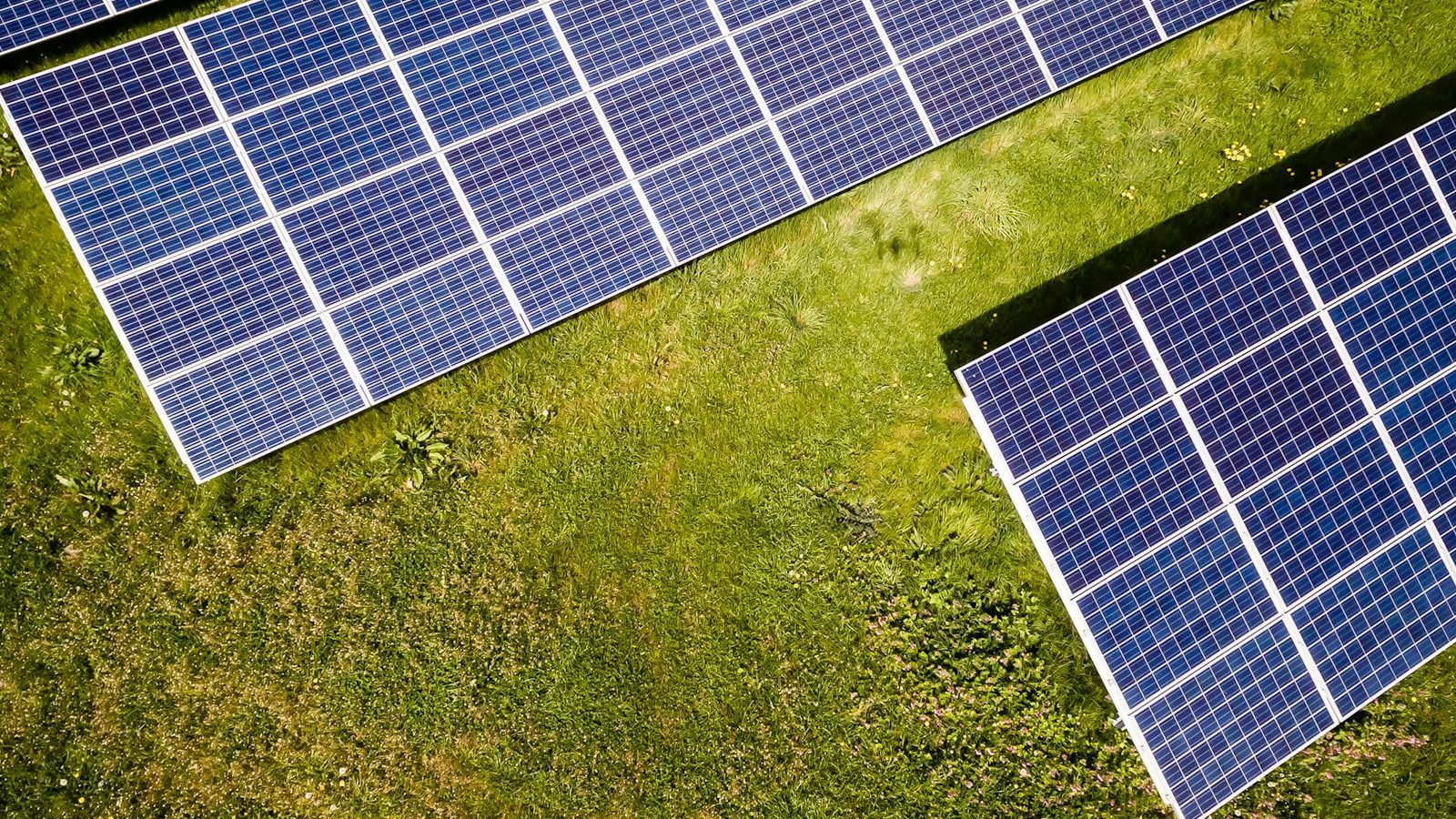
Solar pond pumps are a good choice for small fountains and gentle circulation in a sunny position, especially where there is no outdoor socket. They are not a reliable way to run the biological filter on a fish pond, because their output rises and falls with the sunlight and stops at night unless a battery carries them through.
Solar pumps are easy to like: no cable trench, no electrician and no running cost. Whether one will satisfy you depends almost entirely on matching what you expect to what sunlight can deliver.
How a solar pond pump works
A photovoltaic panel converts sunlight into low-voltage direct current, which drives a small pump. There are three common arrangements:
- Direct solar. The panel powers the pump with nothing in between. Flow follows the light: strong at midday, weak under cloud, zero in shade or darkness.
- Solar with battery backup. A battery charges while the sun shines and keeps the pump running through passing cloud and, for a time, after dark. Output is steadier, but the battery still depends on the panel collecting enough energy.
- Floating solar fountains. A panel and pump in a single floating disc. Simple and inexpensive, suited to birdbaths and very small ponds, and the most affected by shade.
The benefits
- No running cost. Once bought, the energy is free.
- No mains wiring. Useful for a pond far from the house, an allotment or a rented garden.
- Low voltage. The pump side of the system operates at low voltage.
- Quick to install and easy to move. Most kits can be set up in minutes.
- Output that tracks the weather. The pump works hardest in bright, warm conditions, which is also when extra water movement is most helpful.
The limitations
- Performance depends on sunlight. Cloud, shade from trees or buildings, a poorly angled panel and short winter days all reduce output.
- No flow at night without a battery. For fish and filter bacteria, night is when oxygen levels are lowest.
- Modest flow and lift. Consumer solar kits are generally low-power devices. Compare the stated maximum flow and maximum head with what your feature needs, and remember that those maximums are achieved in full sun.
- Batteries wear out. Rechargeable batteries have a limited life and will need replacing.
- Panels need care. Dust, leaves and bird droppings reduce output.
What solar suits, and what it does not
| Use | Is solar suitable? | Notes |
|---|---|---|
| Birdbath or container fountain | Yes | The classic use. A battery makes the display steadier. |
| Small ornamental pond fountain | Yes, in a sunny site | Use a separate panel so it can sit in full sun. |
| Extra circulation or aeration alongside a mains pump | Yes | A useful supplement, not a replacement. |
| Wildlife pond with no fish | Often | Such ponds do not depend on continuous flow. |
| Main filter pump for goldfish or koi | No | The filter needs flow day and night. |
| Waterfall with real height and volume | Rarely | Needs far more power than typical solar kits provide. |
What to check before buying
- Panel wattage. The panel sets the limit. A larger panel sustains the pump in weaker light.
- Battery or no battery. Decide whether you need the pump to run in cloud or in the evening.
- Cable length between panel and pump. Long enough to place the panel in full, unshaded sun.
- Maximum flow and maximum head. Compare them with your fountain head or feature, with a margin for less-than-perfect sun.
- Dry-run protection. Small features lose water quickly in the same sunny weather that drives the pump hardest.
- Replacement parts. Check that batteries and pumps are available separately.
Getting the most from a solar pump
- Position the panel facing the midday sun and clear of shade throughout the day. In the northern hemisphere that means facing south.
- Tilt the panel towards the sun rather than laying it flat.
- Wipe the panel clean regularly.
- Keep the pump’s intake clear. A small pump has small passages.
- Follow the manufacturer’s advice on storing the pump and battery over winter.
If you need more than solar can give
If your pond has fish and a filter, a mains-powered pump is the dependable choice, and an efficient one need not be expensive to run. Our running costs guide shows how to estimate the bill, and the sizing guide helps you avoid paying to run a pump that is larger than you need.
Frequently asked questions
Are solar pond pumps any good?
For the right job, yes. They work well for small fountains and light circulation in sunny positions. They disappoint when asked to do the work of a mains filter or waterfall pump.
Do solar pond pumps work in winter?
Less well. Days are shorter and the sun is lower, so the panel collects much less energy. Many owners store solar pumps over winter as the manufacturer recommends.
Do solar pumps work at night?
Only models with a battery, and only for as long as the stored charge lasts.
Related guides
How to Choose a Waterfall Pump
Size a waterfall pump from the spillway width and the look you want, then check it against the lift and the pipe. A worked example shows how.

What Size Pond Pump Do I Need? A Step-by-Step Guide
Work out your pond volume, pick a sensible turnover rate, add up the head height, then read a pump curve. Here is the full method with a worked example.
Pond Pump Head Height Explained: Why Lift Cuts Your Flow
Head height is the reason a pump rarely delivers the flow printed on its box. Learn what counts as head, how to estimate it, and how to read a pump curve.